

Understanding the Main Types of Prepared Meals Food Delivery
Comparing prepared meals food delivery services starts with three practical questions: how much preparation time you want, which dietary needs the menu must meet, and whether you are feeding one person or a whole household. The best match balances preparation model, nutritional fit, shelf life, and per-serving value for your weekly routine. Scratch Catering and Fine Foods applies that same standard across Dallas, Fort Worth, Plano, and Frisco, where households rely on convenient meal solutions that bridge the gap between busy workdays and wholesome dining.
Navigating home delivery can feel overwhelming with the sheer number of formats available. The modern culinary landscape has evolved far beyond frozen TV dinners. Understanding how each model operates helps you select the right balance of time savings and kitchen involvement.
Heat-and-Eat vs. Semi-Prepared Options
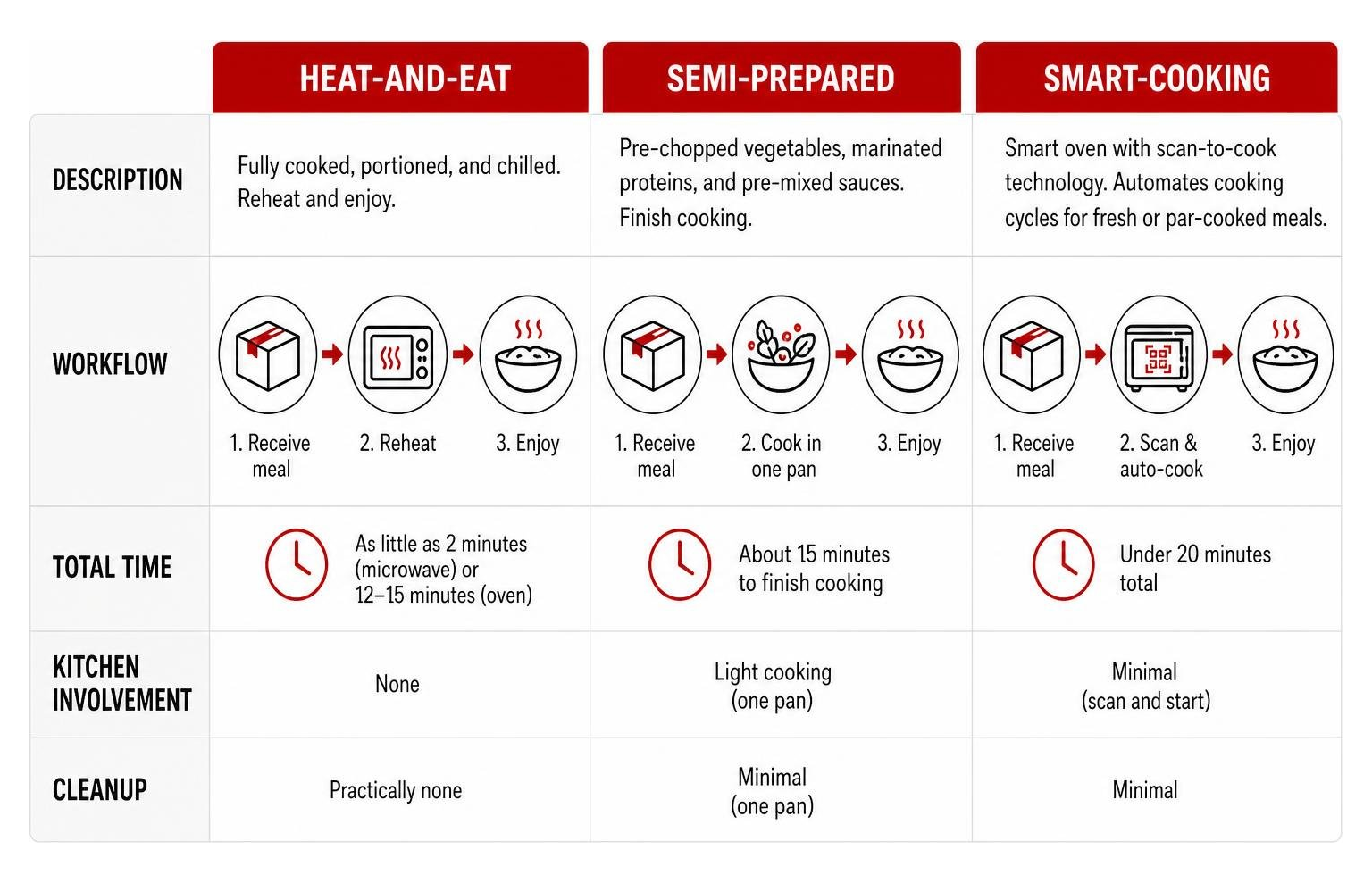
The most popular segment of modern meal delivery is the heat-and-eat category. These dishes arrive fully cooked, portioned, and chilled. Reheating takes as little as two minutes in a microwave or twelve to fifteen minutes in a conventional oven. They require zero cutting boards, zero measuring spoons, and practically zero cleanup.
Semi-prepared options provide a middle ground. These kits supply pre-chopped vegetables, marinated proteins, and pre-mixed sauces. Instead of spending forty-five minutes peeling garlic and dicing onions, you combine the ingredients into a single skillet and finish cooking in about fifteen minutes. For those who want the speed of ready-to-eat food alongside the sizzling aroma of a home-cooked dinner, semi-prepared formats hit the sweet spot.
Smart-Oven and Ready-to-Cook Innovations
Technological advancements have introduced automated cooking solutions to the dinner table. Some services integrate proprietary countertop smart ovens with scan-to-cook packaging. By scanning a barcode or QR code on the meal container, the appliance automatically switches between steam, convection bake, broil, and air-fry cycles to cook fresh, raw, or par-cooked ingredients in under twenty minutes.
Ready-to-cook options simplify standard recipes into sheet-pan or one-pan formats. These meals minimize dishwashing while ensuring vegetables roast to a crisp and meats brown properly, bypassing the texture issues that sometimes happen with standard microwave reheating. According to the Meal overview, prepared meal formats continue to expand as households seek faster ways to serve complete dinners without sacrificing variety.
Key Factors When Evaluating Meal Delivery Services
Finding the right service requires looking beyond promotional discounts. You need to consider how the meals fit your daily routine, dietary targets, and storage space.
At Scratch Catering and Fine Foods, our experience in high-end culinary hospitality has shown us that true convenience never compromises ingredient integrity. High-quality gourmet meal prep balances nutrition, visual appeal, and exceptional flavor profiles.
Nutritional Quality and Dietary Customization in Prepared Meals Food Delivery
Evaluating a service starts with your personal health goals. Many national and regional menus cater to distinct dietary lifestyles:
- High-Protein: Formulated with lean meats, seafood, or legumes, often providing 30 to 50 grams of protein per serving to support athletic performance and recovery.
- Keto & Low-Carb: Focused on healthy fats and fibrous vegetables, keeping net carbohydrates under 15 grams per serving.
- Calorie-Smart: Portioned meals designed to provide balanced nutrition while staying within 500 to 600 calories.
- Plant-Based & Vegetarian: Centered on whole grains, seasonal vegetables, and plant-derived proteins without artificial fillers.
When reviewing menus, check whether recipes are crafted alongside registered dietitians and whether ingredient lists clearly flag common allergens like gluten, dairy, nuts, and soy.
Packaging, Freshness, and Shelf Life Standards
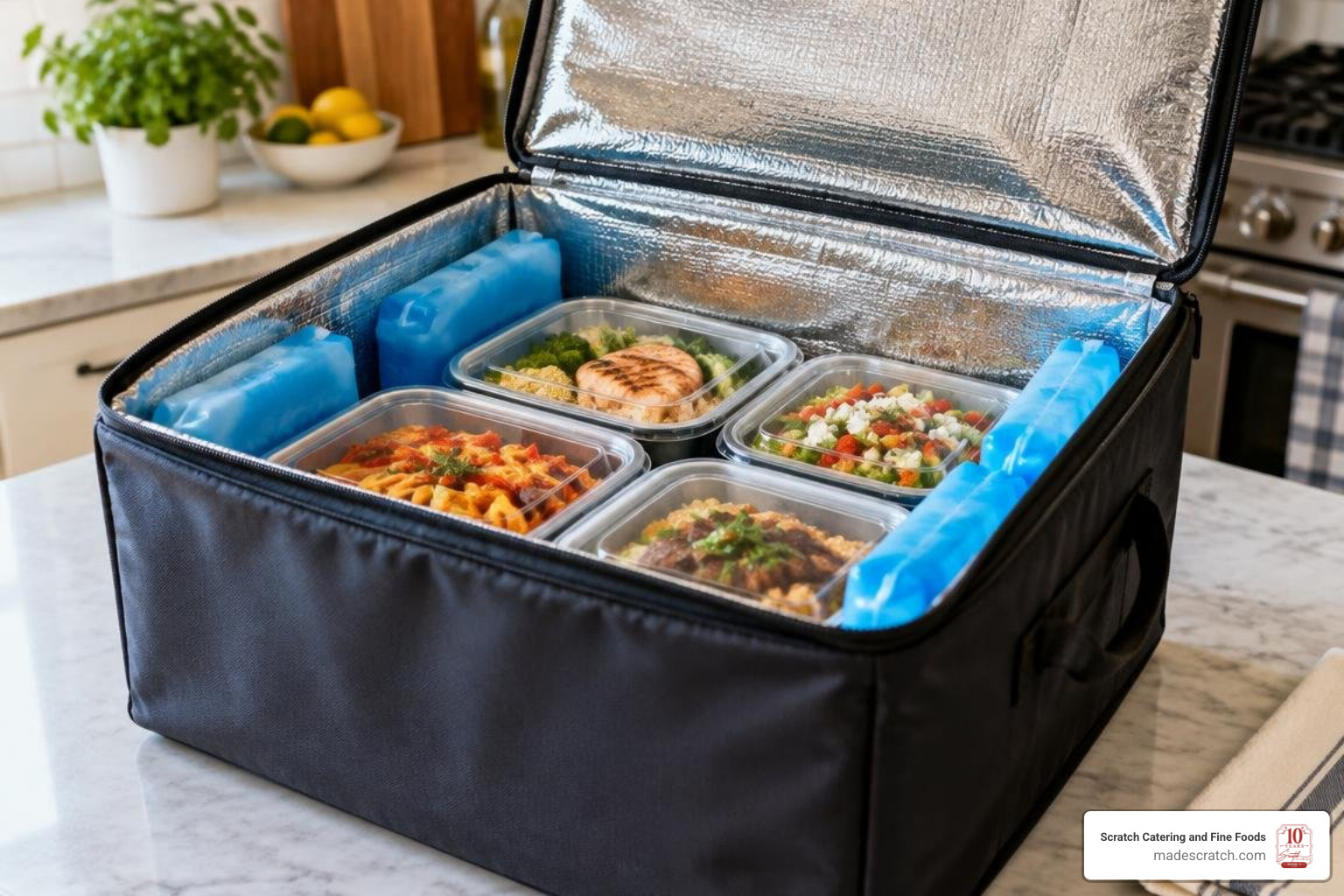
Food safety depends on an unbroken cold chain. Reputable services ship chilled meals in recyclable insulated boxes packed with food-safe gel packs designed to keep internal temperatures below 40°F throughout transit.
Many providers use Modified Atmosphere Packaging (MAP), which replaces oxygen inside the container with natural inert gases to preserve peak freshness. Fresh, refrigerated meals typically maintain optimal quality for four to seven days after arrival. Checking use-by dates upon delivery ensures you enjoy seafood and delicate greens first, saving heartier braised meats and root vegetables for later in the week.
Comparing Value, Costs, and Household Suitability
Choosing the right service requires weighing the convenience of individual portions against the needs of your entire household. Single-serving trays suit independent professionals, while multi-serving pans work better for family dinners across Arlington, Grapevine, and Southlake.
| Service Model | Prep & Heat Time | Average Shelf Life | Best Household Fit | Clean-Up Level |
|---|---|---|---|---|
| Heat-and-Eat Trays | 2–3 minutes | 4–7 days (Refrigerated) | Singles, Busy Commuters | None (Toss or recycle tray) |
| Semi-Prepared Skillets | 10–15 minutes | 3–5 days (Refrigerated) | Couples, Quick Dinners | Minimal (One pan or skillet) |
| Smart-Oven Meals | 15–20 minutes | 4–6 days (Refrigerated) | Tech-Savvy Professionals | Very Low (Oven tray) |
| Family-Style Pans | 20–30 minutes | 4–5 days (Refrigerated) | Families, Gatherings | Low (Baking dish to table) |
Investing in premium, chef-prepared meals gives you reliable, restaurant-standard food without the time drain of shopping, cooking, and scrubbing pans.
Subscription Flexibility and Costs in Prepared Meals Food Delivery
Subscription management should never feel restrictive. The best services make it easy to manage your schedule online:
- Pause & Skip Features: You can easily skip a delivery when traveling or dining out without hidden fees.
- Menu Rotation: Access to large weekly menus prevents meal fatigue and introduces seasonal dishes.
- Order Cutoffs: Clear weekly deadlines let you update delivery addresses, change serving counts, or swap recipes before processing begins.
- Transparent Billing: Clear delivery terms ensure you know exactly when boxes ship and what shipping rates apply to your zone.
Balancing Quality and Drawbacks: Sodium, Variety, and Waste
While prepared meal delivery offers undeniable convenience, there are common drawbacks to watch out for:
- Elevated Sodium: Mass-produced heat-and-eat dishes frequently lean on high sodium levels (sometimes exceeding 800 to 1,000 milligrams per serving) to preserve shelf life and boost flavor. Check nutritional panels if you are monitoring salt intake.
- Repetitive Side Dishes: Automated production lines often pair every entree with the same steamed broccoli, mashed potatoes, or white rice.
- Packaging Footprint: Weekly deliveries create a steady stream of cardboard, plastic film, and refrigerant gel packs. Look for brands prioritizing curbside-recyclable liners and reusable ice packs.
Choosing artisanal, chef-driven alternatives allows you to enjoy true fine dining at home with thoughtfully balanced seasonings, creative vegetable pairings, and sustainable local handling.
Frequently Asked Questions About Prepared Meal Services
How long do fresh prepared meals stay good in the refrigerator?
Fresh, never-frozen prepared meals generally stay fresh in the refrigerator for four to seven days from the delivery date. Dishes containing delicate seafood, fresh shellfish, or tender leafy greens should be enjoyed within the first two to three days. Braised beef, roasted poultry, pasta bakes, and root vegetables retain their texture and flavor toward the end of the week. If you cannot finish a meal before its printed expiration date, check the label to see if the dish is suitable for freezing.
How do prepared meals differ from traditional meal kits?
The primary difference lies in preparation time and culinary effort:
- Prepared Meals: Fully cooked by professional culinary teams. They only require reheating in a microwave, conventional oven, or skillet for two to fifteen minutes. There is no ingredient chopping, measuring, or post-meal kitchen cleanup.
- Traditional Meal Kits: Deliver raw, pre-portioned ingredients alongside printed recipe cards. You must chop produce, sear proteins, simmer sauces, and manage multiple pots and pans, typically spending thirty to forty-five minutes preparing the meal.
Can prepared meal services accommodate multi-person families?
Yes. While many national subscription services focus primarily on single-serving containers, many regional caterers and culinary providers specialize in multi-portion family pans. Opting for a local daily meal service or family-style prepared entree allows households to serve four to six people from a single oven-ready dish. This eliminates the awkwardness of heating multiple plastic containers simultaneously while accommodating picky eaters through diverse, customizable side selections.
Conclusion
Finding the right prepared meal service comes down to matching your weekly routine with the right combination of flavor, speed, and culinary quality. Whether you need single-portion lunches to power through demanding workdays or family-style entrees that bring everyone around the table without evening stress, the right food service simplifies your life while keeping nutrition front and center.

At Scratch Catering and Fine Foods, we believe nobody should have to sacrifice culinary craftsmanship for convenience. Led by award-winning Chef Teddy B., our culinary team creates vibrant, scratch-made menus for everyday dining, corporate gatherings, and boutique events across the Dallas-Fort Worth metroplex. If you are looking for exceptional, chef-crafted prepared meals in Dallas, McKinney, Frisco, or Plano, explore our pickup and catering menus to experience restaurant-quality dining on your schedule.

